Orangeries for Period Homes in Tynemouth
Orangeries Newcastle designs and installs bespoke orangeries for homes in Tynemouth, including Victorian terraces and the larger villas found across the village. Each orangery is drawn up around the house it will join, with brickwork, glazing, roof lantern and proportions chosen so the new room sits comfortably against period architecture and within its coastal setting.

Request a free quote
No obligation · Newcastle upon Tyne & the North East

Much of the village falls within the Tynemouth Village conservation area, so good design here depends on restraint as much as on floor space. Tell us about your property and request a free, no-obligation quote to begin.
Respecting Victorian Terraces and Villas
Period houses tend to follow a clear architectural rhythm, with tall window openings, consistent brick or render, decorative eaves and roof slopes set at a particular pitch. An orangery that ignores those cues can look bolted on, however well it is built. Our starting point is to photograph and measure the rear elevation, note the ceiling heights on the ground floor and record the line of the existing windows, then let those details set the height of the new walls and the spacing of the glazing.
On a terrace in Tynemouth, the orangery usually has to work within a narrow plot and keep a respectful distance from the neighbouring boundary. A villa offers more room, yet its scale calls for a more substantial structure, often with deeper piers and a taller lantern so the extension does not look undersized beside the main house. In both cases the aim is a room that reads as a considered addition when seen from the garden.
What Does the Tynemouth Village Conservation Area Mean for an Orangery?
The conservation area reflects the historic character of the village, from Front Street to the headland where Tynemouth Priory and Castle stand. That status has a direct effect on what you can build without a planning application.
Permitted development allows some single-storey rear extensions to go ahead without full planning permission, as long as they meet set limits on size, height and materials. Inside a conservation area those rights are narrower. Extensions to the side of a house are not covered, and cladding the exterior is restricted. Councils can also use an Article 4 direction to remove further rights where they want closer control over change.
North Tyneside Council is the planning authority, and it is sensible to expect the design, materials and visibility of an orangery to be looked at carefully. If the house is listed, listed building consent is needed for the works whether or not planning permission applies. Building regulations approval is a separate matter again, covering structure, insulation, glazing and drainage. The Planning Portal explains when extensions need planning permission, and we can talk through what is likely to apply once we know the address.
Traditional Lanterns and Period Detailing
On an older property in Tynemouth, the roof is where an orangery most often succeeds or falls short, because it is the part most visible from upstairs windows and neighbouring gardens.
A Lantern in Proportion With the House
A traditional lantern with a ridge, hipped ends and glazing bars echoes the roof forms and window patterns of Victorian buildings. We size the lantern to the room below and keep the perimeter of the roof solid and insulated, which gives a crisp internal ceiling with space for downlights around the edge. Our roof and lantern options show the full range.
Cornices, Frames and Glazing Bars
Outside, a moulded cornice around the roofline gives the orangery a finished edge similar to the eaves of the house. Frame colours can be matched to existing joinery, and glazing bars on windows and doors can pick up the divisions of nearby sash windows. French doors often suit a period setting better than a very wide opening, although our orangery windows and doors page covers every option.

Light and Weather at the Mouth of the Tyne
Tynemouth sits where the river meets the sea, which brings bright, changeable light along with wind that can arrive quickly off the water. Salt carried in the air settles on frames and glass, so we discuss frame finishes, ironmongery and seals with that in mind and suggest a simple cleaning routine to keep them working smoothly.
The same exposure shapes the layout. Where a garden faces open sky, a well-placed lantern can bring in plenty of daylight without glazing every wall, leaving solid sections where shelter or privacy is wanted. If you are still weighing a period look against something cleaner, our guide comparing modern and traditional orangeries sets out how each tends to sit on an older house.
Questions Tynemouth Homeowners Often Ask
Can an orangery work on a terraced house with a narrow garden?
Yes, in many cases. A compact orangery across the back of a terrace, or one that takes up part of the garden width, can still provide a useful dining or sitting room. The design has to account for boundaries, neighbouring windows and access for construction, all of which we assess when looking at the site.
Is a contemporary orangery ever right for a period property?
It can be, particularly where the rear of the house is not widely seen. A simple, well-proportioned modern design sometimes sits more quietly than an over-decorated traditional one. In a conservation area, though, the materials and how visible the extension is from public view will carry more weight.
Does every orangery here need planning permission?
Not necessarily. Some single-storey rear orangeries can still fall within permitted development inside a conservation area, but the limits are tighter and each house is different. Earlier extensions, listed status and any Article 4 direction all affect the answer, so we check them before the design is finalised.
What should I include with my enquiry?
Your address, a few photographs of the back of the house and a rough idea of how you want to use the room are enough. If you know the property is listed, or you hold earlier planning documents for it, include those as well.
Orangery services
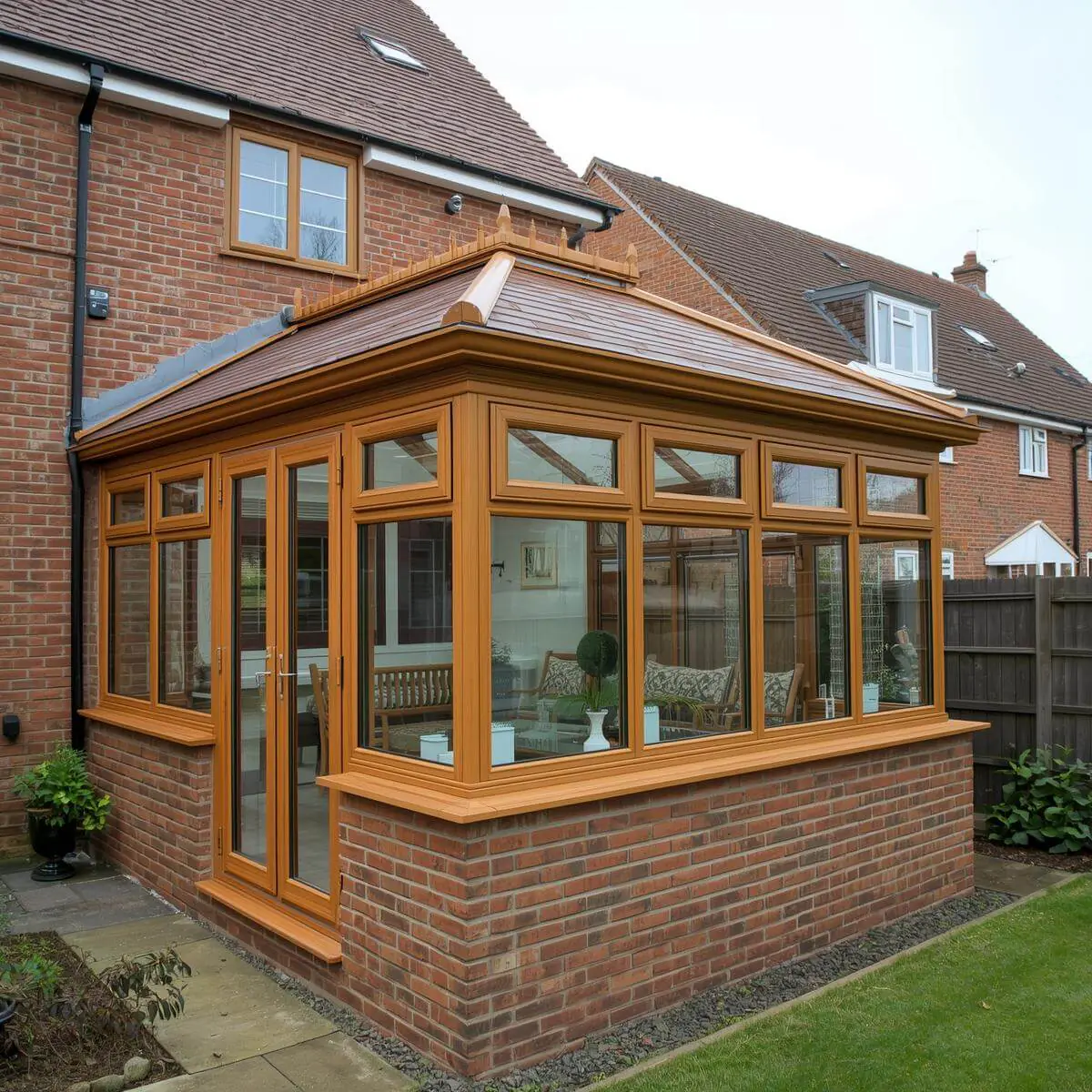 Orangery ExtensionsKitchens, dining rooms and family spaces designed around your home.View service
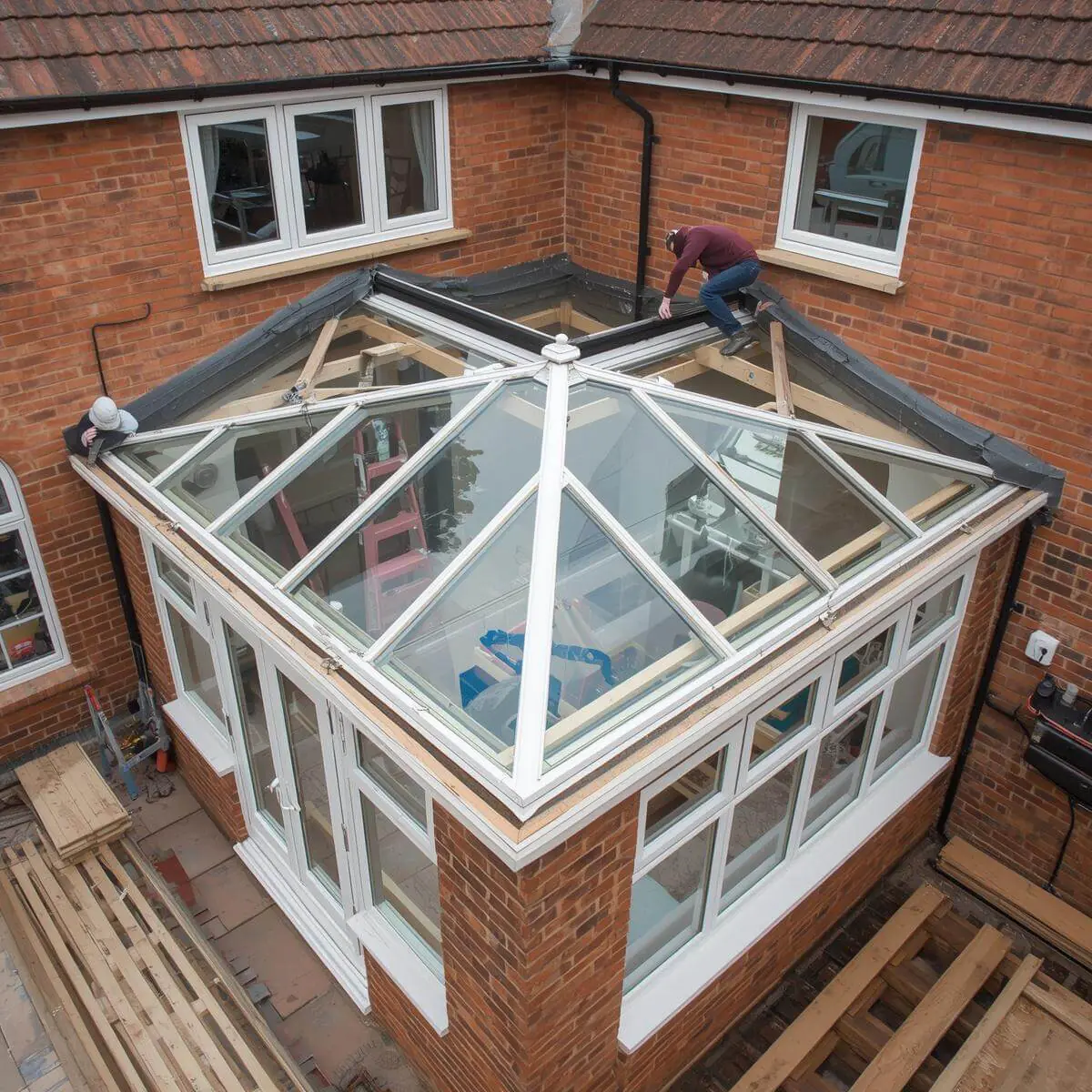 Orangery RoofsFlat, lantern and glazed roof designs, with insulation and ventilation.View service
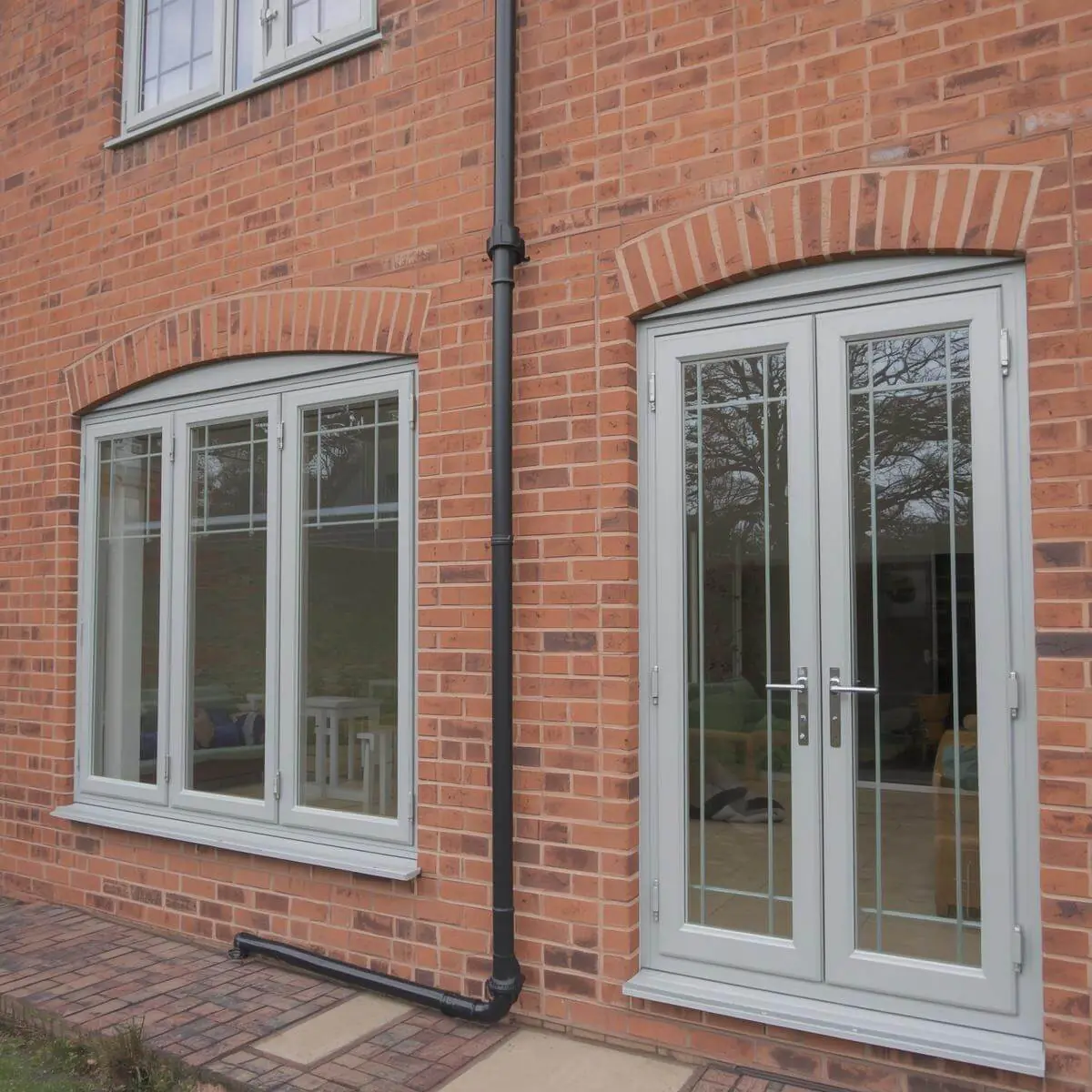 Orangery Windows & DoorsBi-fold, sliding and French doors, frame finishes and glazing.View service
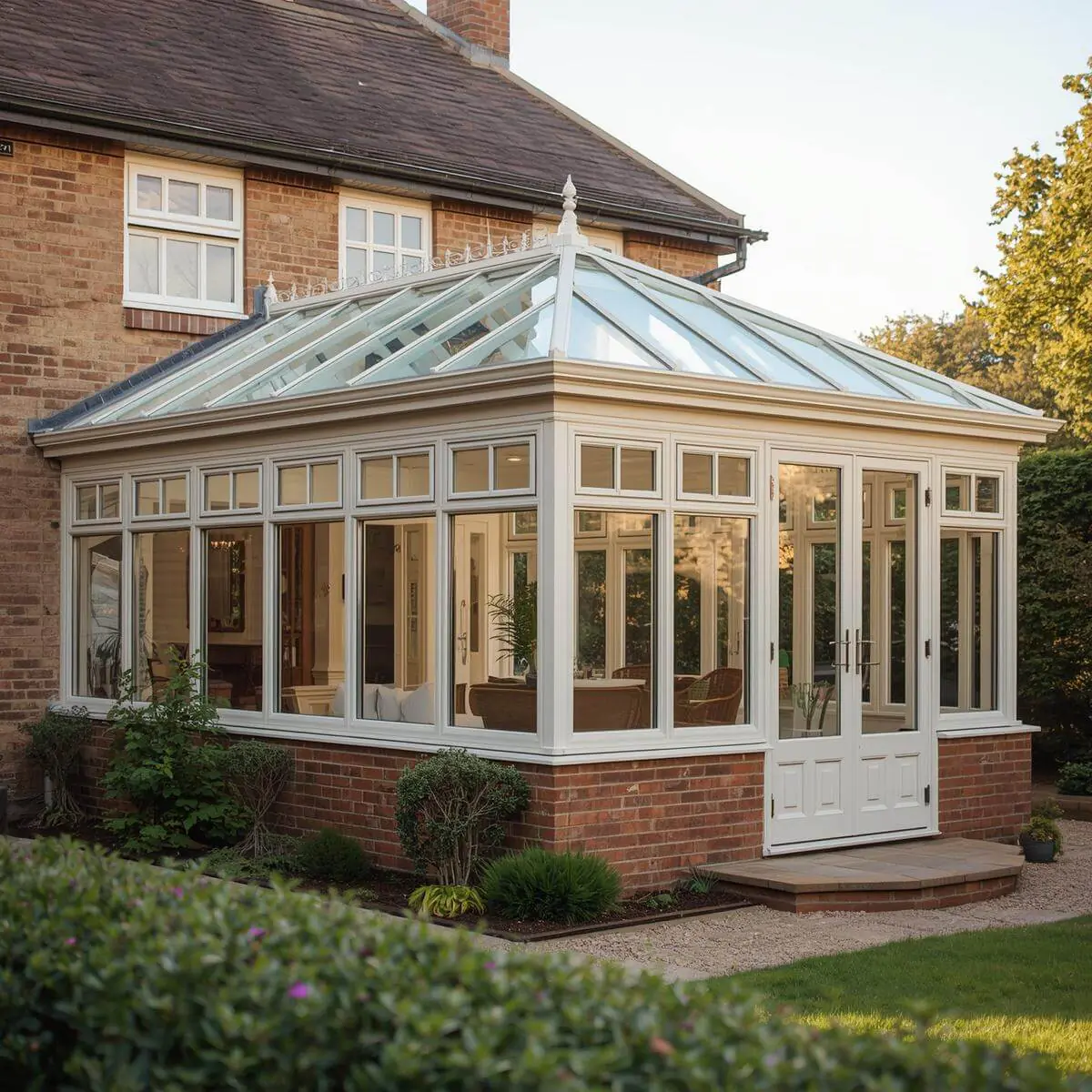 Orangery ConservatoriesHow orangeries and conservatories compare, from roofs to regulations.View service
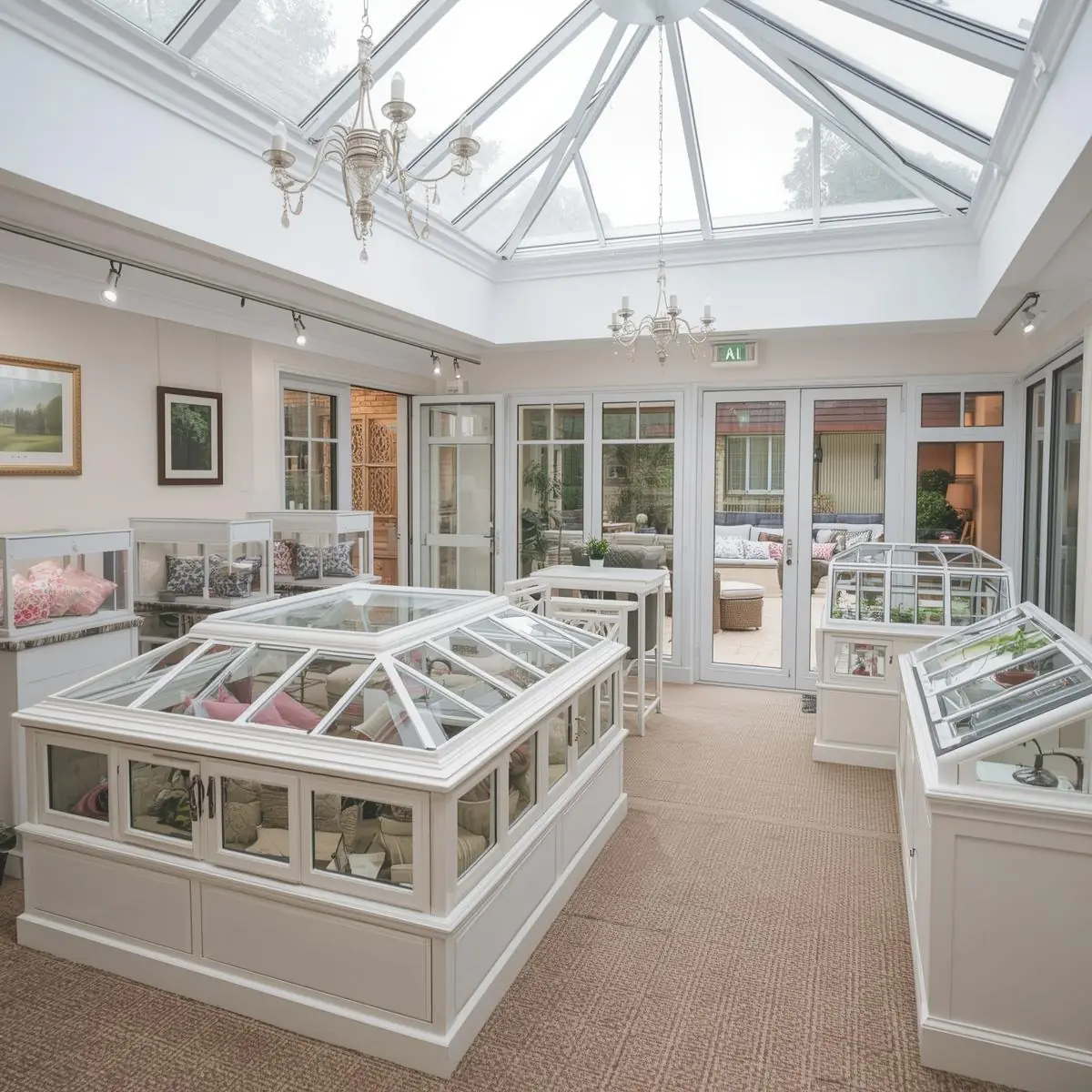 Orangery ShowroomDesign consultations and showroom availability enquiries.View service


Start Your Tynemouth Orangery Quote
Orangeries Newcastle offers free, no-obligation quotes for orangeries in Tynemouth, each one based on your house and the room you want to create. Share your thoughts on style, roof and doors through the quote form, or get in touch if you have questions first.
If you live a little further up the coast, see our page on orangeries in Whitley Bay, or browse all the areas we serve.