Orangeries Designed for Homes in Morpeth
Orangeries Newcastle designs and installs bespoke orangeries for homes in Morpeth, from stone-built and Victorian houses to properties on newer estates. Each design is developed around the existing building and its site, so the materials, roof style and floor levels are settled with the house in mind before anything is ordered or built.

Request a free quote
No obligation · Newcastle upon Tyne & the North East

As the county town of Northumberland, Morpeth has a historic core and a river running through it, and both can influence what an orangery needs. To talk through your plans, send us your details for a free, no-obligation quote.
Market-Town Character and Materials
A historic market town on the River Wansbeck, Morpeth has a centre with a clear architectural character, and that character carries into the streets around it. Getting the materials right is the biggest single factor in how an orangery will look once it has weathered for a few years.
Stone-Built and Victorian Houses
For a stone house, the piers or dwarf walls can be laid in stone to match, paying attention to the colour, coursing and pointing of the original walls. Victorian brick properties call for the same care with brick type and bond. Frame colours can be chosen to sit alongside existing timber windows, and a traditional lantern with a moulded cornice suits most older buildings.
Homes on Newer Estates
Modern houses usually have a straightforward rear wall and standard brick that is easier to match. A contemporary orangery with slim frames and a flat roof lantern can work well here, though a traditional design is just as achievable if you prefer it.
Is Your Morpeth Home Near the River Wansbeck?
The town flooded in 2008, and parts of Morpeth close to the river fall within flood risk zones. If your property is one of them, a few practical checks should come before the design is finalised.
Checking Flood Risk at the Start
The government's flood map for planning shows which flood zone a property sits in. Where a planning application is required for a home in a flood zone, a flood risk assessment normally has to accompany it. For a modest householder extension this is usually a proportionate document, but it still needs to be prepared and should inform the design from the outset.
Floor Levels and Resilient Finishes
Guidance for minor extensions in flood zones generally expects new floor levels to be no lower than those of the existing house, and raising them where practical can add protection. Flood-resilient choices such as tiled floors, sockets set higher up the wall and materials that tolerate water can make recovery quicker if the worst happens.
Where the Rainwater Goes
An orangery adds roof area, so the extra rainwater needs somewhere to go. Close to a river, ground conditions can make soakaways less effective, so the drainage route has to be confirmed as part of the building regulations approval rather than left until construction.
Conservation Area and Listed Building Checks
The historic centre of Morpeth is a conservation area, which limits permitted development rights and brings closer attention to design and materials. Northumberland County Council is the planning authority. A listed property also requires listed building consent, which covers the orangery itself and any alterations to the original fabric, such as taking out a wall to join the rooms. The Planning Portal's guidance on extensions and planning permission gives a useful overview, and building regulations approval should be planned for separately.

Choosing the Roof, Glazing and Doors
Once the materials and site checks are settled, attention turns to the elements that shape the room inside. A large lantern suits a dining space, while a more solid roof with smaller glazed sections can keep a kitchen comfortable and leave space for extraction and lighting. Compare the options on our orangery roofs page.
French doors, sliding doors and bi-folds each change how the room connects with the garden, and the choice affects furniture layout as much as appearance. Our windows and doors guide explains the differences.
Linking the Orangery to the Rest of the House
The way the new room joins the existing ground floor matters as much as its outward appearance. Removing part of a rear wall creates an open-plan space but needs structural design, and in an older stone house the thickness of the walls can make the opening a significant piece of work. In some cases a wide doorway gives a better balance between connection and cost.
Floor levels need to be resolved at the same time. A level threshold between the kitchen and the orangery feels natural to use, but in a part of Morpeth affected by flood risk it has to be reconciled with the floor-level guidance described above. Planning both together avoids awkward steps inside the house.
Comfortable Through Northumberland Winters
A well-built orangery can be used every month of the year, provided insulation, glazing and heating are considered from the start. Solid roof sections around the lantern hold heat better than a fully glazed roof, and underfloor heating suits the tiled or stone floors that also cope well with damp conditions. For homes in Morpeth with a garden facing south, roof vents and solar-control glass help on warmer days. Read more about using an orangery all year round.
What Helps Us Prepare Your Design?
A few details make the first conversation far more productive: your address, a few pictures of the rear of the property, rough garden measurements and a line or two on what the room is for. If you know your home in Morpeth is in a flood zone, the conservation area or a listed building, mention it, along with any previous planning decisions for the property. Our full list of services shows everything Orangeries Newcastle can design and install.
Orangery services
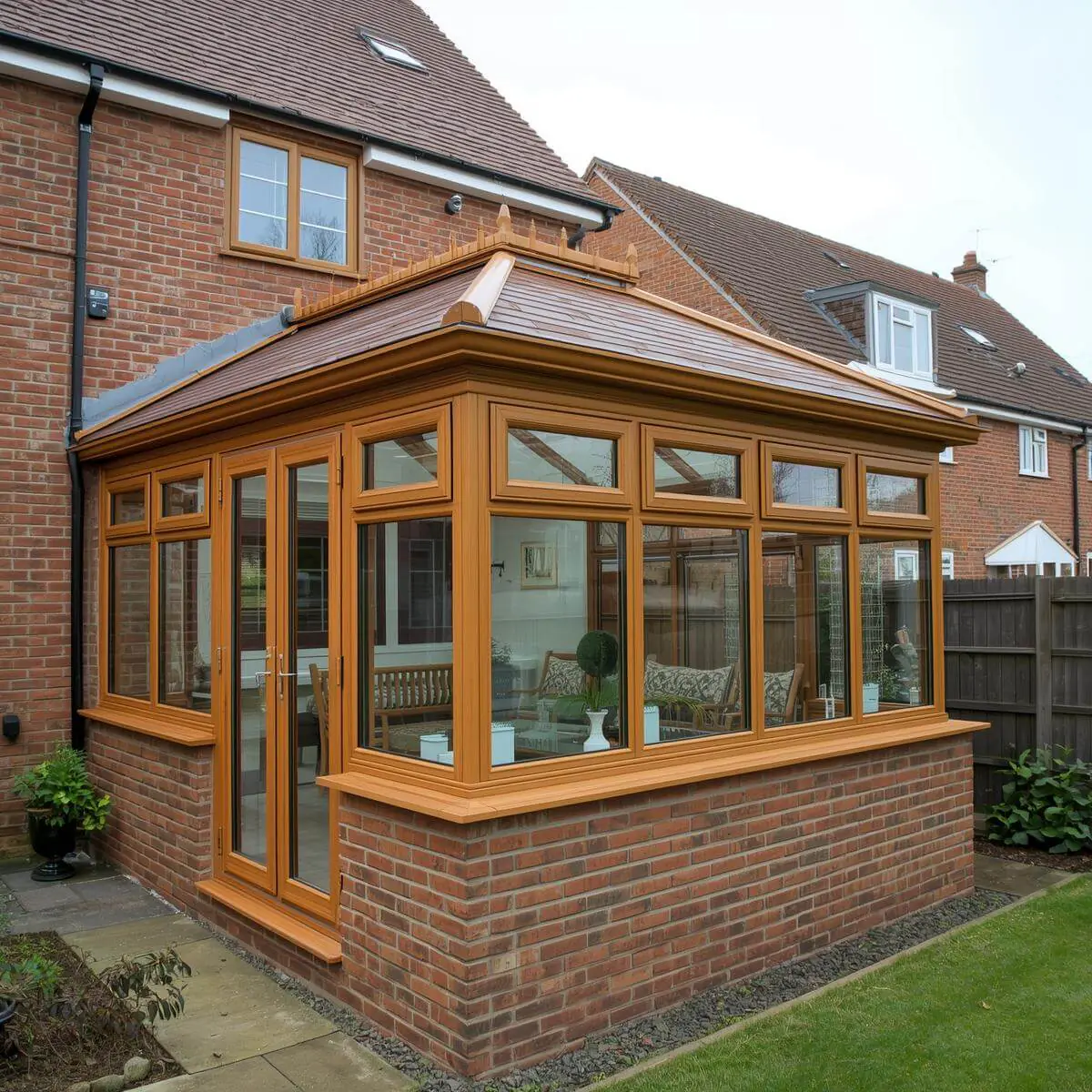 Orangery ExtensionsKitchens, dining rooms and family spaces designed around your home.View service
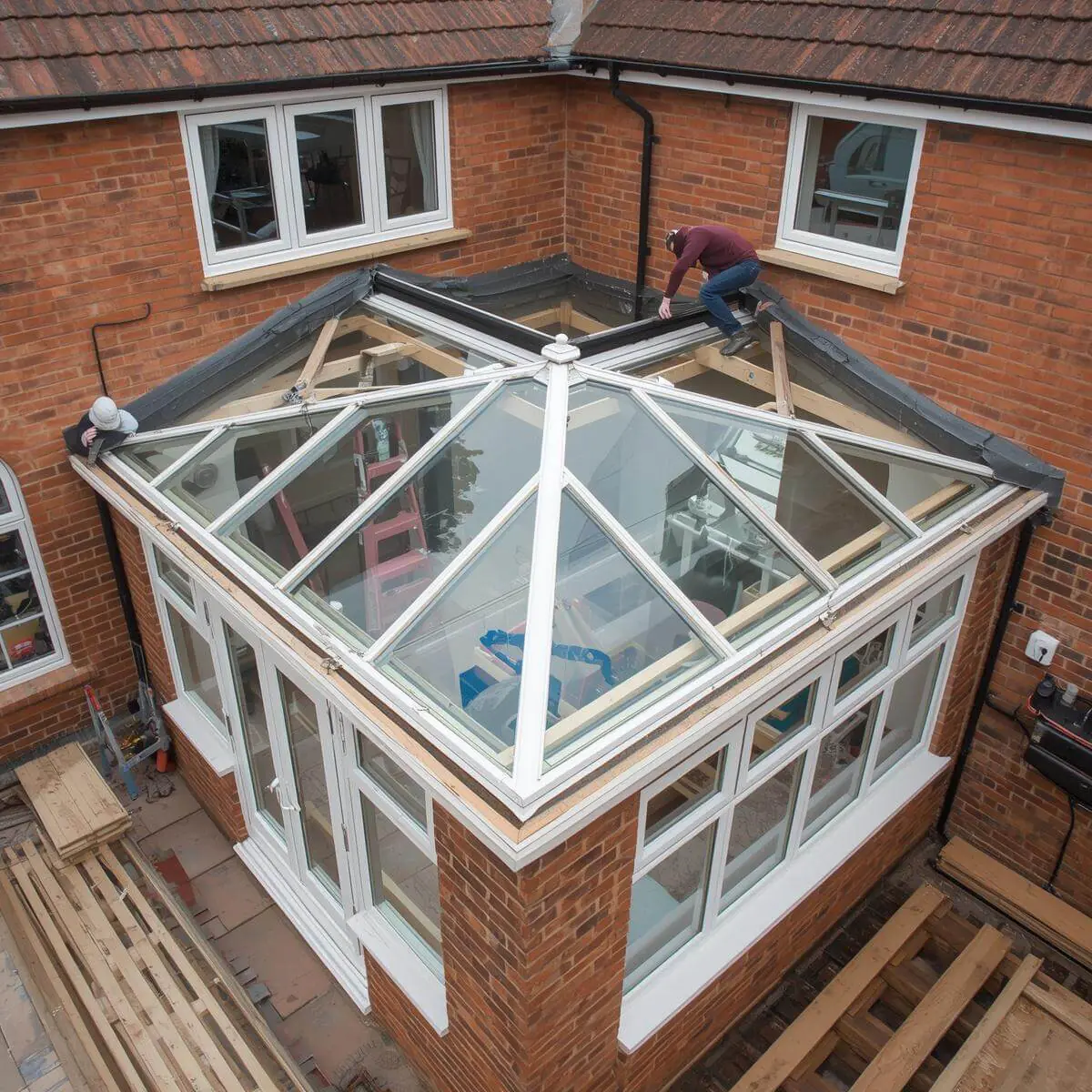 Orangery RoofsFlat, lantern and glazed roof designs, with insulation and ventilation.View service
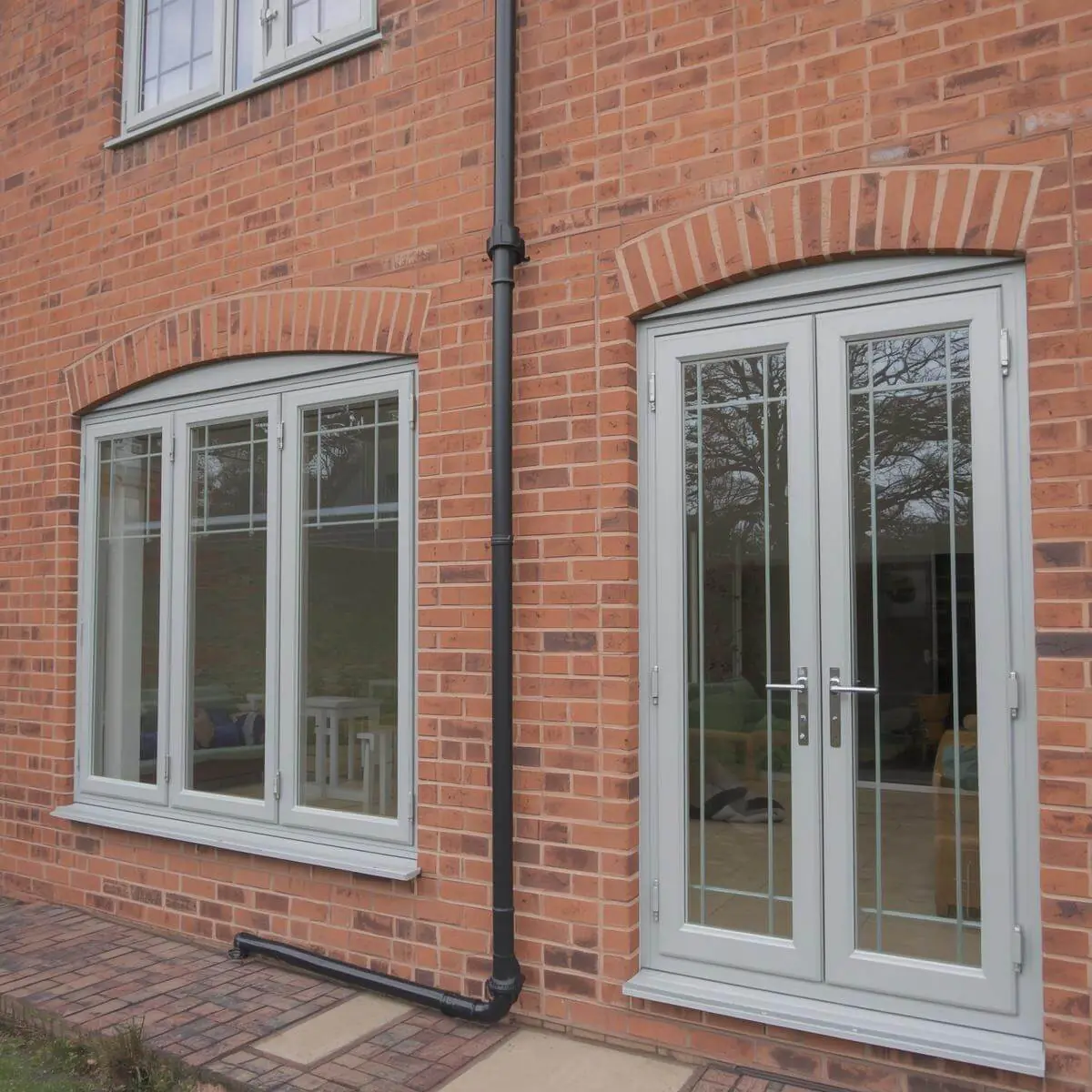 Orangery Windows & DoorsBi-fold, sliding and French doors, frame finishes and glazing.View service
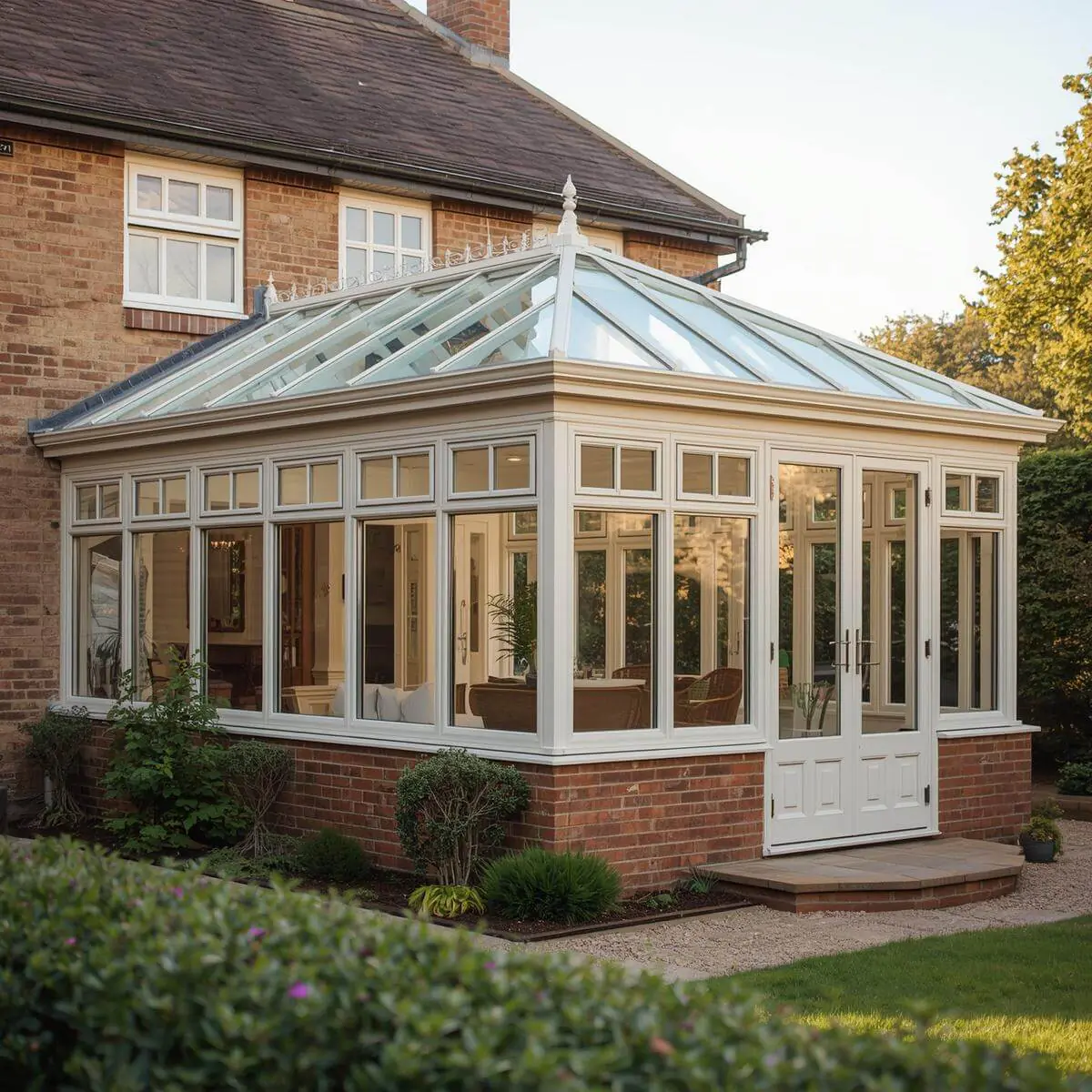 Orangery ConservatoriesHow orangeries and conservatories compare, from roofs to regulations.View service
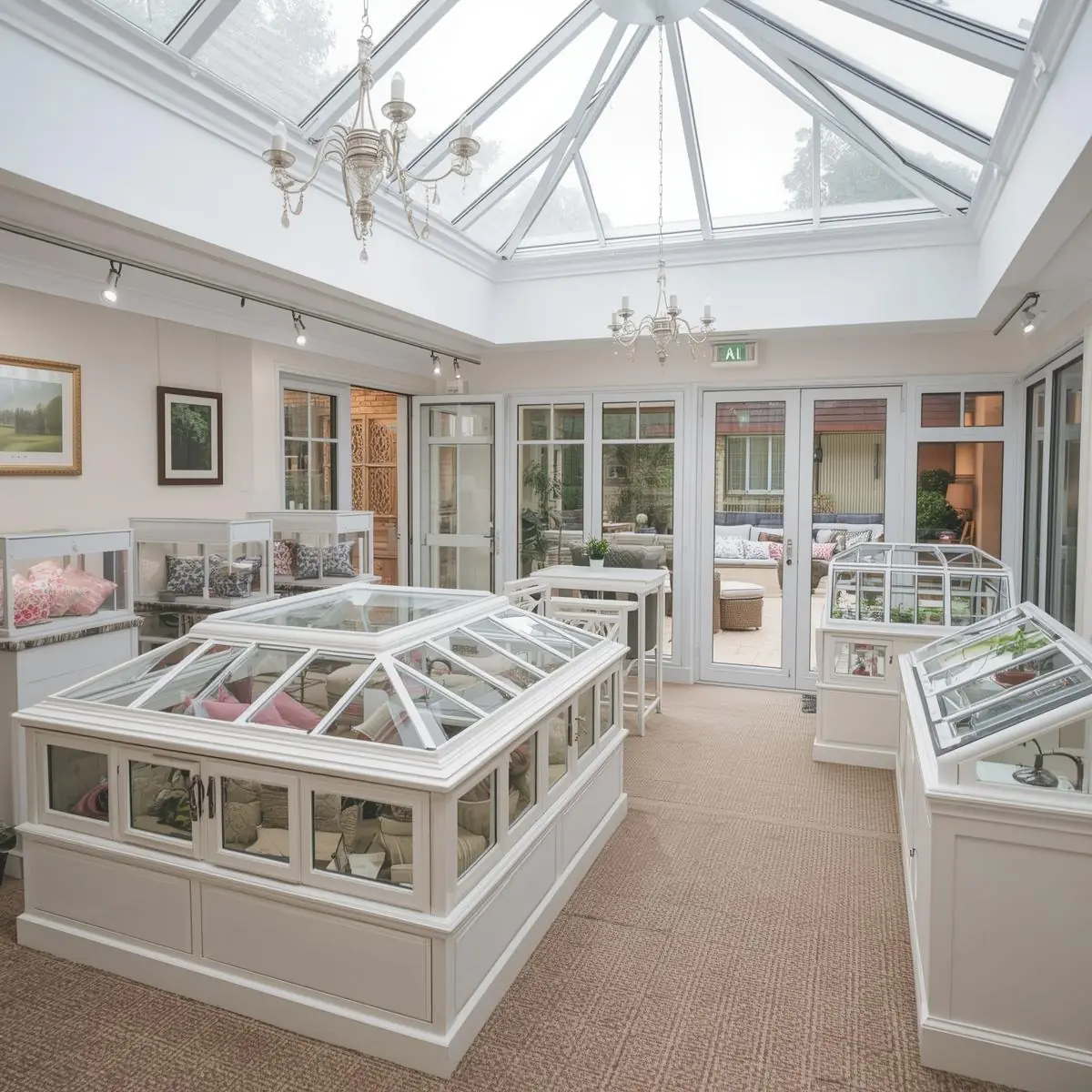 Orangery ShowroomDesign consultations and showroom availability enquiries.View service


Getting a Morpeth Orangery Quote
A quote from Orangeries Newcastle costs nothing and carries no obligation. For a home in Morpeth, it reflects the house, the site and how you intend to use the space. Fill in the quote form or email info@orangeriesnewcastle.co.uk to get started.
Elsewhere in Northumberland, see our page on orangeries in Hexham, or view every area we cover.