
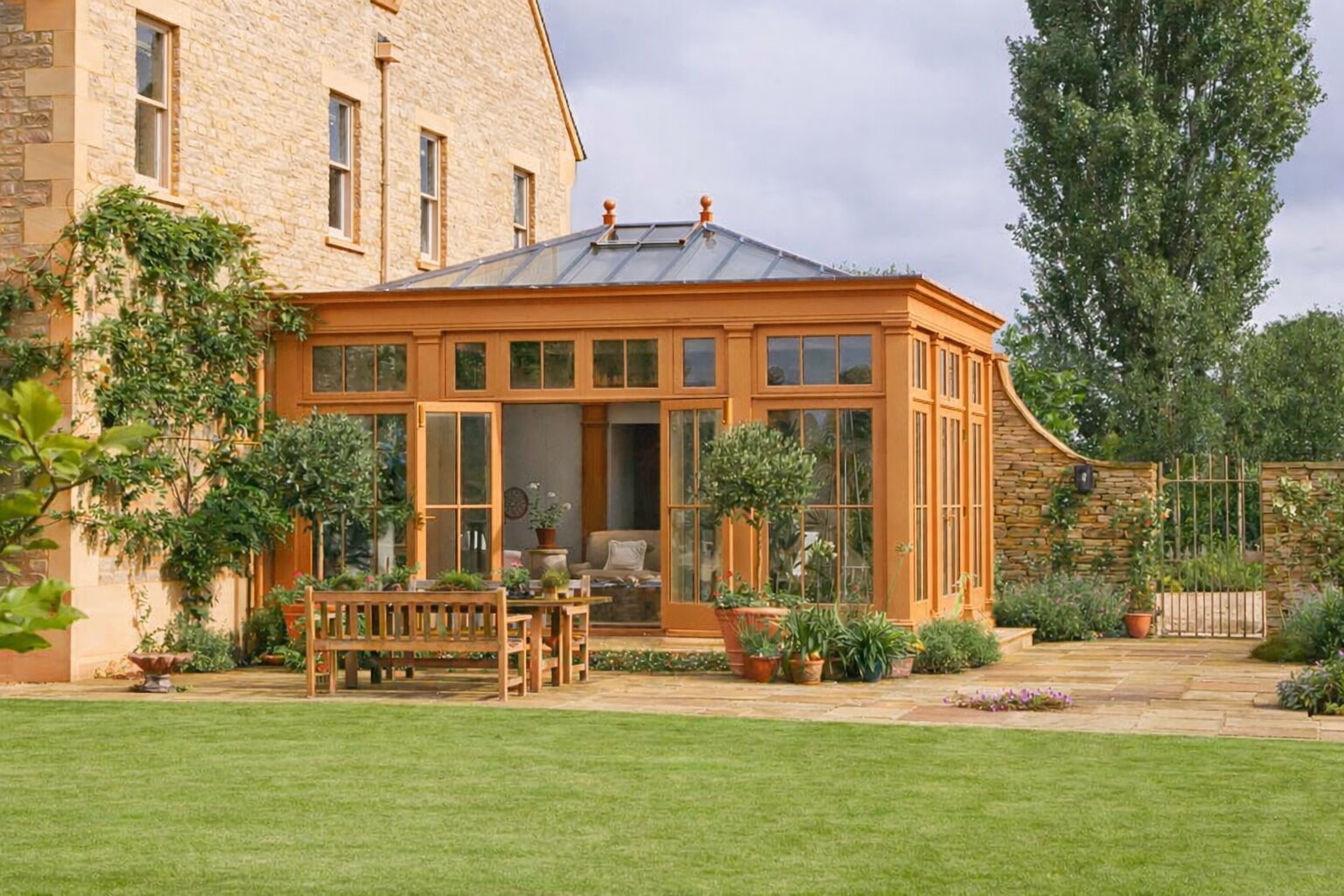
Imagine enhancing your home with a bright, elegant space that connects indoors and outdoors while remaining comfortable in every season. A custom orangery offers the perfect balance between natural light and solid construction, making it a popular upgrade for UK homeowners seeking both style and practicality.
This guide explains what a bespoke orangery is, how it compares to other extensions, its benefits, costs, planning requirements, and what to expect during installation.
What Is a Custom Orangery?
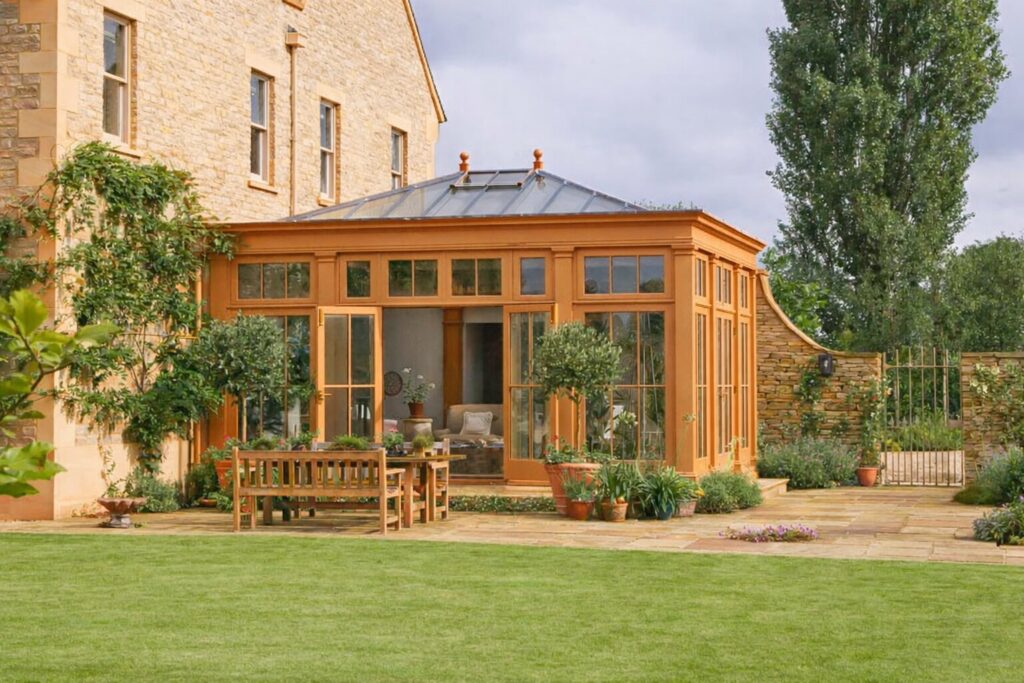
A custom orangery is a premium home extension that combines solid walls with large glazed sections and a central roof lantern. Unlike conservatories, which are mostly glass, orangeries include brick pillars and insulated roofing elements, creating a space that feels more like a natural extension of the home.
Originally designed in the 17th century to protect citrus trees, modern orangeries have evolved into versatile living spaces. Today, they are commonly used as kitchen extensions, dining rooms, or relaxing living areas that seamlessly connect to the garden.
Orangery vs Conservatory vs Extension
Understanding the difference between these options helps homeowners choose the right solution. A traditional Orangery Conservatory design typically offers more insulation than a fully glazed structure while still maintaining a bright and open feel.
Conservatories maximise light through extensive glazing but often struggle with temperature control. Traditional extensions provide strong insulation and structure but may lack natural light. An orangery sits between the two, offering a well-balanced design that is comfortable all year round.
Benefits of a Custom Orangery
A bespoke orangery enhances both lifestyle and property value. It introduces a bright, open space that can adapt to different uses, from entertaining guests to creating a peaceful retreat, making it one of the most desirable Orangery Extensions for modern homes.
Beyond aesthetics, it improves energy efficiency through modern insulation and glazing, helping maintain a stable indoor temperature. Many homeowners also find that an orangery becomes the focal point of the home, thanks to its seamless indoor-outdoor connection and elegant design.
Year-Round Comfort and Energy Efficiency
One of the key advantages of an orangery is its ability to remain comfortable throughout the year. Insulated roofing, high-performance glazing, and optional underfloor heating ensure the space stays warm in winter and cool in summer.
Seeing real examples in an Orangery Showroom can help homeowners understand how different materials and designs perform in various conditions. Compared to traditional conservatories, orangeries provide a more controlled and energy-efficient environment for everyday living.
Key Features of a Custom Orangery
A well-designed orangery stands out through its combination of structure, light, and functionality, particularly when incorporating high-quality Orangery Windows & Doors that enhance both insulation and visual appeal.
- Roof lanterns that maximise daylight and create a sense of space
- Solid pillars and partial brickwork for strength and insulation
- Energy-efficient glazing to regulate temperature and enhance privacy
- Large doors such as bi-fold or French doors to connect with outdoor areas
These elements work together to create a space that is both visually striking and highly practical.
Planning and Design Considerations
Designing an orangery begins with a detailed assessment of your home and available space. A professional survey ensures accurate measurements and helps avoid costly adjustments later in the process.
Key considerations include the orientation of the structure, the desired layout, and how the design complements the existing property. Matching materials and architectural style is essential to ensure the orangery blends seamlessly with the rest of the home.
Planning Permission and Regulations (UK)
Many orangeries fall under permitted development rights, meaning full planning permission is not always required. However, eligibility depends on factors such as size, height, and property location.
In certain situations, such as homes in conservation areas or larger builds, formal approval may still be necessary. Building regulations will also apply to ensure proper insulation, ventilation, and structural integrity. Consulting your local authority early helps prevent delays and ensures compliance.
Cost of a Custom Orangery
The cost of a bespoke orangery varies depending on size, materials, and design complexity. Most projects in the UK range between £25,000 and £120,000, with mid-sized builds typically falling in the £70,000 to £80,000 range.
Factors such as premium materials, bespoke finishes, and high-performance Orangery Roofs can influence the final price. Getting detailed quotes from experienced builders is essential for accurate budgeting.
Installation Timeline
Building an orangery generally takes between eight and twelve weeks. The process begins with planning and design, followed by groundwork and foundation preparation.
Once the structure is in place, roofing and glazing are installed before completing the interior finishes. While timelines can vary depending on weather and project complexity, clear planning helps keep the build on schedule.
Maintenance and Long-Term Care
Orangeries are designed to be durable and low-maintenance, but regular upkeep is important to preserve their appearance and performance. Periodic cleaning of glass and frames, checking seals, and maintaining drainage systems will help prevent long-term issues.
With proper care, an orangery remains a valuable and functional part of the home for many years. For homeowners looking to Upgrade Your Home with a Stunning Customised Orangery, investing in quality materials and professional installation ensures long-lasting results.