
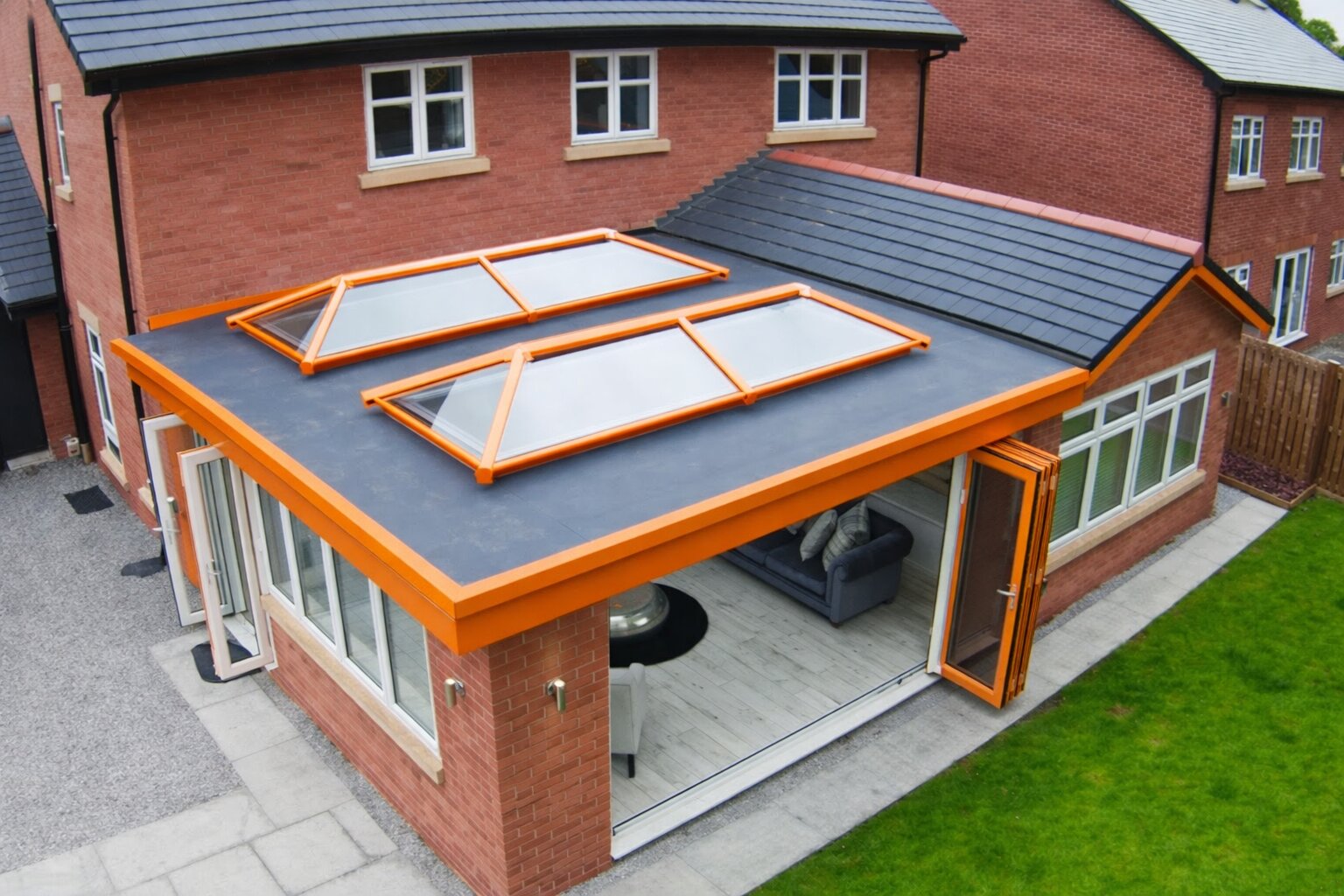
Choosing between a modern or traditional orangery can shape both the appearance and functionality of your home. While both styles offer a bright and elegant extension, the right option depends on your property’s architecture, how you plan to use the space, and the overall look you want to achieve.
Traditional orangeries are designed to complement period homes with classic detailing and solid structure, while modern orangeries focus on clean lines, larger glazing areas, and contemporary performance. Understanding these differences helps you create an extension that feels natural and adds long term value.
What Is an Orangery?
An orangery is a home extension that blends large glazed areas with more solid elements such as brick pillars and a partially solid roof, often finished with a roof lantern. This combination creates a space that is brighter than a standard extension but more insulated and structured than a conservatory.
Originally built to protect citrus trees in historic estates, orangeries are now used as versatile living spaces, including kitchen extensions, dining areas, and garden rooms. Their balance of light and insulation makes them suitable for year round use and position them as a premium alternative to an Orangery Conservatory.
Design and Visual Style
The most noticeable difference between modern and traditional orangeries is their design approach. Traditional orangeries are defined by symmetry, decorative details, and materials that reflect classic architecture. Features like brick pillars, cornices, and timber frames help them blend seamlessly with older homes.
Modern orangeries, on the other hand, focus on simplicity and openness. Slim aluminium frames, large glass panels, and flat roof sections create a clean and minimal look. This style works well for homeowners who want a brighter, more open connection between indoor and outdoor spaces, often seen in high quality Orangery Extensions.
Key Differences at a Glance
To better understand how these styles compare, it helps to look at their core features side by side:
- Design style: Traditional uses ornate detailing and symmetry, while modern focuses on minimalism and clean lines
- Materials: Traditional relies on brick, stone, and timber, whereas modern uses aluminium and high performance glazing
- Roof structure: Traditional often includes pitched roofs with lanterns, while modern designs favor flatter Orangery Roofs
- Light and openness: Modern orangeries maximize glass and views, while traditional designs balance glass with structure
- Maintenance: Traditional materials may require more upkeep, while modern systems are typically low maintenance
Materials and Construction
Material choice plays a major role in both appearance and performance. Traditional orangeries often use timber frames and masonry elements, giving them warmth and authenticity. These materials are ideal for period properties but may require regular maintenance to preserve their condition.
Modern orangeries are built with aluminium frames and advanced glazing systems, allowing for larger glass areas and slimmer sightlines. These materials are durable, weather resistant, and designed for minimal upkeep, often paired with premium Orangery Windows & Doors to enhance both performance and style.
Traditional Orangeries: A Classic Fit
Traditional orangeries are best suited to homes with strong architectural character. Properties with heritage features, such as sash windows or decorative brickwork, benefit from an extension that matches their original style.
This approach creates a seamless transition between the existing structure and the new space. When designed carefully, a traditional orangery feels like a natural part of the home rather than an addition, making it a popular choice for period properties and country homes.
Modern Orangeries: A Contemporary Approach
Modern orangeries are designed for open plan living and contemporary lifestyles. They are ideal for homeowners who want a light filled space that connects directly to the garden through large doors and expansive glazing.
This style works particularly well for kitchen extensions, dining areas, and multifunctional living spaces. Visiting an Orangery Showroom can help homeowners visualize different layouts, materials, and finishes before making a final decision.
Thermal Performance and Comfort
One of the main advantages of an orangery is improved comfort throughout the year. Compared to conservatories, the inclusion of solid elements and insulated roofing helps regulate temperature more effectively.
Modern orangeries often have an advantage in this area due to advanced glazing and insulation systems. However, traditional orangeries can also perform well when built with modern materials and proper design considerations.
Cost and Value
The cost of an orangery depends on factors such as size, materials, and level of customization. Traditional orangeries may involve higher costs when detailed craftsmanship and bespoke features are required.
Modern orangeries can also be a significant investment, especially when incorporating large glass panels and premium materials. In both cases, the value lies in how well the extension enhances everyday living and complements the existing property.
Choosing the Right Style
Selecting the right orangery comes down to how well it fits your home. A traditional design is usually the better option for properties with classic architectural features, helping maintain visual consistency and character.
A modern orangery is often more suitable for newer or updated homes, where clean lines and open spaces are a priority. The goal is to create an extension that feels cohesive rather than contrasting in a way that disrupts the overall design.
Other Considerations
Beyond style, it is important to think about how the space will be used on a daily basis. Layout, lighting, ventilation, and heating all contribute to how comfortable and practical the orangery will be.
Planning requirements should also be considered, particularly for listed buildings or homes in conservation areas. Working with an experienced orangery specialist can help ensure the design meets regulations while delivering the look and performance you expect.
For homeowners ready to take the next step, exploring options to Upgrade Your Home with a Stunning Customised Orangery can provide inspiration and guidance toward creating a space that truly enhances both lifestyle and property value.